Installing a water line is fundamental for ensuring your home or business has access to clean and safe water. This process requires meticulous planning and precise execution to install the necessary piping that transports fresh water from local municipal sources or private wells. A well-executed installation not only promotes efficient water flow but also significantly reduces the chances of leaks and contamination, making it essential for property owners to engage qualified professionals. If you're looking for skilled experts in your vicinity, connect with them to get started.
Grasping the complexities of water line installation empowers you to make better decisions and steer clear of common mistakes. This guide will delve into crucial elements such as preparation, costs, and the sequential steps needed to ensure a hassle-free installation process. Each section will provide in-depth insights and best practices, equipping you with a thorough understanding of how to install water lines effectively read more.
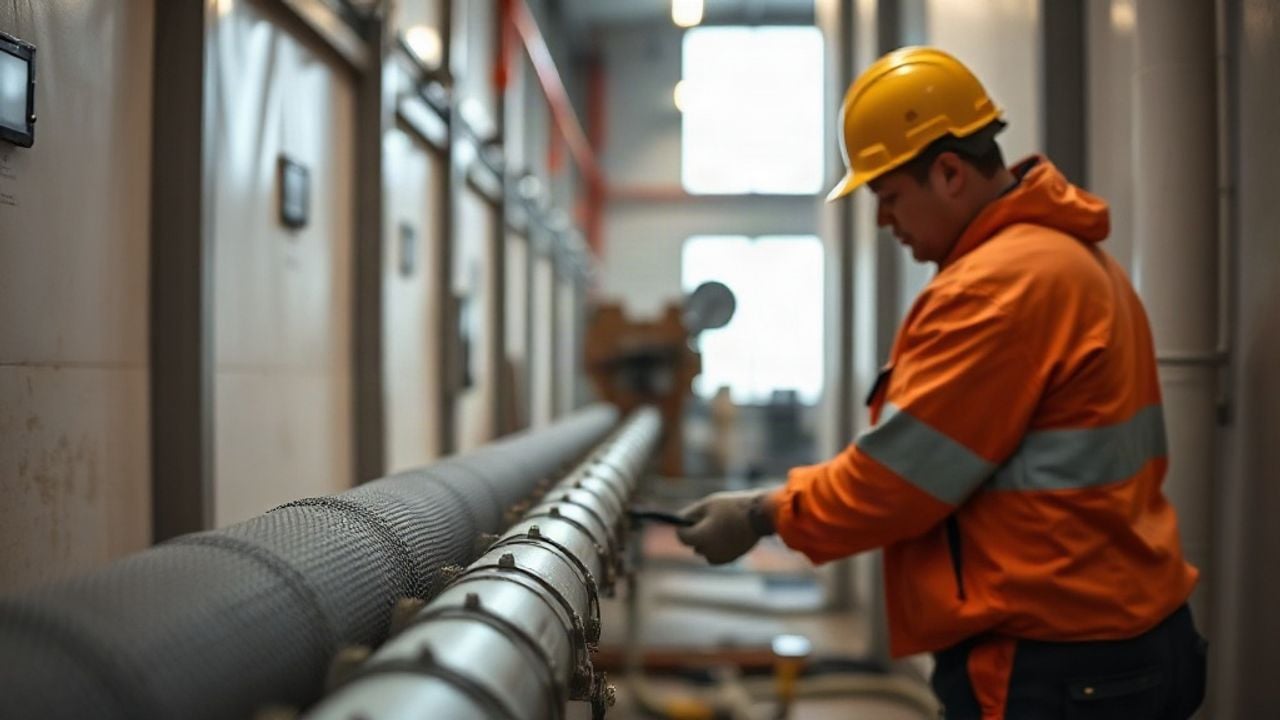 Roy best Water Line InstallationRoy best Water Line Installation guide
Understanding the Water Line Installation Process
The water line installation process begins with a thorough assessment of the site to determine the most effective routing for the pipes. This involves digging trenches where the new lines will be placed. It’s important to comply with local regulations, as many regions require permits to ensure safety and compliance with building codes. Before installation starts, the soil type should be evaluated, as it can affect pipe material selection. For instance, rocky soil may require more durable pipeline materials compared to softer soils. The complexity of the site, like the presence of existing infrastructure such as septic tanks or french drains, also plays a significant role in planning the installation.
Choosing the Right Materials
Once the planning stage is complete, selecting the correct materials is the next crucial step. Common choices for water lines include PVC (Polyvinyl Chloride), PEX (Cross-Linked Polyethylene), and copper. Each material has its advantages: PVC is lightweight and resistant to corrosion, PEX offers flexible installation options and is less prone to freezing, while copper is known for its durability and long lifespan. A reputable water line installation provider can guide you on the best material suited for your specific landscape, ensuring longevity and efficiency in water delivery.
Cost Considerations for Water Line Installation
The cost of water line installation can vary widely based on multiple factors, including the distance of the installation, materials used, and the complexity of the project. On average, homeowners might expect to pay between $1,500 to $5,000 for a complete installation, which covers labor, materials, and required permits. Additional costs can arise from excavating existing landscaping or handling complex routes that navigate around obstacles such as trees or existing utilities, including drainage pipes or septic systems. It's wise to obtain multiple quotes and ensure that each estimate includes a detailed breakdown of costs to avoid unexpected expenses during the project.
Maintenance Strategies and Future Considerations
Consistent maintenance of water lines is imperative to guarantee they operate efficiently over time. Homeowners should habitually monitor for leaks or fluctuations in water pressure, as these could hint at issues that require attention. It’s also prudent to keep thorough documentation regarding the installation, including the materials utilized as well as the installation’s date, for future reference. If you plan to expand your plumbing setup or add features like a french drain system later on, having this information readily available can make the integration of new systems much easier. Furthermore, experienced installation professionals can lend their expertise on maintaining your lines and addressing any necessary repairs, helping to keep your water supply uninterrupted and efficient for many years.
For a detailed exploration of water systems, visit this water supply topic. It covers the various elements associated with water distribution and piping, making it an excellent reference for those looking to enhance their understanding.
Best Practices for Water Line Installation
Hiring certified professionals for water line installation ensures adherence to local building codes and regulations, minimizing future problems.
- Always check with local authorities for any specific codes or standards that apply to water line installations.
- Ensure the contractor is licensed and has experience with projects similar to yours for improved reliability.
- Look for recommendations and reviews from previous customers to gauge the contractor's reputation in the area.
- Discuss warranty options and post-installation service agreements to cover potential issues.
- Consider installing a shut-off valve to control water flow in emergencies, enhancing safety for the property.
Steps for Successful Water Line Installation
- Initial Assessment: Evaluate the property for existing utilities, topography, and soil conditions to plan the best water line route.
- Obtain Necessary Permits: Check local regulations and obtain any permits required for excavation and water line installation.
- Material Selection: Choose the appropriate pipe materials based on soil type, climate, and local codes, considering factors like durability and flexibility.
- Trenching: Excavate the ground along the planned route for the water lines, following the approved depth and width specifications.
- Pipe Installation: Lay the selected pipes in the trenches, ensuring proper alignment and secure connections to avoid leaks.
- Testing and Backfilling: Conduct pressure tests to ensure the system is leak-free before backfilling the trenches with soil and restoring the landscape.
Frequently Asked Questions
What is Water Line Installation?
Water line installation is the procedure by which pipes are laid out to carry clean drinking water from its source to different locations within a structure. This process encompasses careful planning, site excavation, selection of appropriate materials, and employing correct connection methods to ensure reliability.
How do I choose a Water Line Installation provider?
Selecting a provider involves assessing their professional background, reading reviews from past customers, checking their licensing status, and understanding the warranties they offer. It’s advisable to obtain estimates from several contractors to ensure you are making an informed comparison, and to ask for references that validate their credibility.
How much does Water Line Installation cost?
Costs associated with installation typically fall between $1,500 and $5,000. Several elements can influence the overall price, including the scope of the project, the types of materials selected, and any extra site preparation or repair work that may be necessary.
When assessing Water Line Installation, emphasize accurate evidence of outcomes, transparent reporting, and whether the strategy aligns with your market needs and deadline. Be wary of vague proposals lacking a verification system.
Inquire about how progress will be monitored, what services are included versus optional add-ons, and how the provider plans to adapt their methods if traffic or rankings plateau. Securing a written agreement outlining the project scope before any financial commitment is beneficial for all parties involved.
Water line installation is essential for ensuring your property has a reliable source of fresh water. By understanding the installation process, costs, and maintenance, you can make informed decisions that protect your investment and ensure longevity. Engaging skilled professionals guarantees not only compliance with regulations but also the peace of mind that comes with expert work.
Explore your options wisely, and remember that a well-installed water line is an investment in your property’s future and safety.